Helicopter Collision in Greece Claims Two Lives During Firefighting Mission
Tragic Helicopter Collision During Greece Firefighting Operations
A devastating helicopter collision Greece occurred when two aerial firefighting aircraft came into contact during active wildfire suppression operations. The incident resulted in the death of two crew members, while remarkably, a British pilot and another Greek crew member managed to survive the accident. The collision represents a significant tragedy in the region's ongoing battle against seasonal wildfires and raises important questions about aviation safety protocols during emergency response missions.
Victims and Survivors Identified
Among those involved in the helicopter collision Greece, one Danish national and one Greek national lost their lives in the impact. The Danish crew member's death marks a significant loss for the international firefighting community, which frequently coordinates cross-border assistance during major fire emergencies. The Greek national who perished was actively engaged in defending his country's natural resources against the spreading flames.
Despite the severe nature of the collision, rescue efforts proved successful in extracting two survivors from the wreckage. A British pilot, serving as one of the aircraft commanders, survived the incident with injuries. Additionally, a second Greek crew member also survived the crash, providing crucial eyewitness accounts of the moments leading up to and following the collision. Both survivors received immediate medical attention and were transported to nearby medical facilities for comprehensive evaluation and treatment.
The Scope of Firefighting Operations
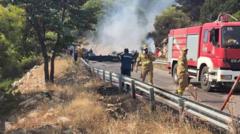
The firefighting helicopter crash occurred within the context of extensive aerial fire suppression efforts currently underway in Greece. These helicopter operations are critical components of modern wildfire management, allowing crews to access remote areas unreachable by ground-based equipment and delivering water or fire retardant directly onto active flames. The coordination between multiple aircraft during such operations demands exceptional precision and communication, as helicopters often work in close proximity to one another.
Greece has increasingly relied on helicopter assets during its most challenging fire seasons, particularly as climate change has extended the duration and intensity of wildfire events across the Mediterranean region. The involvement of international crews, such as the British and Danish personnel in this incident, demonstrates the collaborative nature of modern emergency response and the willingness of allied nations to support one another during natural disasters.
Safety Implications and Investigation
The aviation incident Greece has prompted immediate reviews of safety protocols governing helicopter operations during active firefighting missions. Authorities are investigating the precise circumstances that led to the collision, including potential factors such as visibility conditions, communication between aircraft, coordination procedures, and adherence to established flight corridors. These investigations are essential for implementing improvements that could prevent similar tragedies in the future.
Helicopter collisions during emergency operations, though relatively rare, carry significant consequences due to the inherent risks of flying in proximity to other aircraft while managing fire suppression equipment. The investigation will likely examine whether updated training, enhanced communication systems, or revised operational procedures could have prevented this tragedy. International aviation experts are expected to contribute their perspectives to ensure comprehensive analysis of the incident.
Regional Fire Crisis Context
This emergency helicopter accident occurs during a period when Greece faces substantial wildfire challenges. The nation's geographical location, combined with climate patterns that create dry, hot conditions during summer months, makes it particularly vulnerable to extensive fires. Aerial firefighting capabilities have become increasingly vital to managing these natural disasters and protecting both human settlements and critical ecosystems.
The loss of helicopter assets and qualified personnel represents not only a human tragedy but also a temporary reduction in firefighting capacity at a critical time. Replacement of specialized firefighting helicopters requires significant financial investment and training time, potentially impacting response capabilities for future incidents during the remainder of the fire season.
International Response and Support
The tragedy involving the British pilot and international crew members has generated expressions of sympathy from multiple countries. The incident underscores the risks undertaken by aviation professionals and firefighting personnel who dedicate themselves to protecting communities and natural resources. International aviation and emergency management organizations are monitoring the investigation closely to extract lessons applicable to their own operations.
The families of the deceased crew members have reportedly received support from their respective nations' governments and the emergency services community. The survivors are expected to provide critical testimony regarding the circumstances of the collision, information that will be essential for the ongoing investigation.